Accounting vs. Bookkeeping: What’s the Difference and Which One Do You Need?
Introduction
When managing finances, many business owners use the terms accounting and bookkeeping interchangeably. While both are crucial for financial health, they serve distinct purposes. Understanding the difference between bookkeeping and accounting can help you determine which service your business needs to thrive.
In this guide, we break down the key differences, responsibilities, and how to choose the right solution for your business.
Note: This page may contain affiliate links. If you choose to purchase through any of these links, we may earn a commission at no extra cost to you.
So, What Is Bookkeeping?
Bookkeeping is the process of recording and organizing financial transactions in a structured manner. It is the foundation of a business’s accounting system, ensuring accurate financial data for decision-making.
Key Responsibilities
- Recording daily transactions (sales, purchases, receipts, and payments)
- Maintaining ledgers (accounts payable, accounts receivable, general ledger)
- Reconciling bank statements to ensure financial accuracy
- Generating financial reports (trial balance, cash flow reports)
- Tracking business expenses
- Processing payroll (in some cases)
Tools Used in Bookkeeping
- QuickBooks
- Xero
- FreshBooks
- Wave Accounting
- Zoho Books
Bookkeepers do not analyze financial data or provide strategic guidance but instead focus on accurate record-keeping.
And, What Is Accounting?
Accounting is a broader process that includes interpreting, analyzing, and summarizing financial data to provide insights into a business’s financial health.
Key Responsibilities
- Interpreting financial data to assist in decision-making
- Preparing financial statements (profit & loss, balance sheet, cash flow statements)
- Tax planning and filing
- Financial forecasting and budgeting
- Auditing financial records
- Ensuring compliance with financial regulations
- Providing strategic business advice
Types of Accounting
- Financial Accounting – Reporting financial data to external stakeholders.
- Managerial Accounting – Analyzing data for internal business decisions.
- Tax Accounting – Ensuring tax compliance and minimizing liabilities.
- Forensic Accounting – Investigating fraud and legal financial matters.
- Auditing – Examining financial records for accuracy.
Tools Used in Accounting
- ERP Systems (SAP, Oracle NetSuite)
- Microsoft Excel & Google Sheets
- Accounting Software (QuickBooks, Xero)
- Tax Preparation Tools (TurboTax, H&R Block)
Key Differences Between Accounting and Bookkeeping
| Feature | Bookkeeping | Accounting |
|---|---|---|
| Purpose | Recording & organizing financial data | Analyzing & interpreting financial information |
| Scope | Day-to-day financial transactions | Overall financial management & decision-making |
| Decision-Making | Not involved | Provides financial insights & business strategy |
| Reports | Basic financial reports | Advanced financial statements |
| Regulatory Compliance | Not responsible | Ensures tax & financial compliance |
| Education Level | No formal degree required | Often requires CPA or finance degree |
Which One Do You Need?
You Need a Bookkeeper If:
- Your business needs organized financial records.
- You want someone to track daily transactions and ensure cash flow is properly recorded.
- You use software like QuickBooks and need data entry assistance.
- You want to avoid errors in financial reports due to missing transactions.
You Need an Accountant If:
- You need financial statements, financial analysis, and strategic planning.
- You require help with tax filing, auditing, and compliance.
- You want to make data-driven business decisions.
- Your business is scaling, and you need support with forecasting and budgeting.
Do You Need Both?
Many businesses hire both a bookkeeper and an accountant to ensure accurate financial records while also getting expert financial advice. Some accountants even offer bookkeeping services as part of their package.
How to Choose the Right Service for Your Business
1. Assess Your Business Needs
- Are you struggling with keeping track of transactions? → Bookkeeper
- Do you need financial planning & compliance support? → Accountant
2. Consider Your Budget
- Bookkeeping services are generally more affordable than accounting services.
- Hiring a part-time accountant or outsourcing services to freelancers can help reduce costs. You can easily hire a freelancer on platforms such as Fiverr at a reasonable rate.
3. Leverage Technology
- If you have a small business, accounting software tools like QuickBooks or Xero can help you automate bookkeeping while hiring an accountant periodically for review.
In Summary…
Both bookkeeping and accounting play critical roles in a business’s financial health. While bookkeeping is essential for recording transactions, accounting ensures compliance, strategic planning, and financial analysis.
If you’re unsure whether to hire a bookkeeper, an accountant, or both, start by assessing your business size, financial needs, and budget. Many companies combine both services to maintain accurate records while benefiting from expert financial insights.
Need help with bookkeeping or accounting? Explore AI-powered accounting software or consult a professional today to streamline your financial management!
Recommended Resources
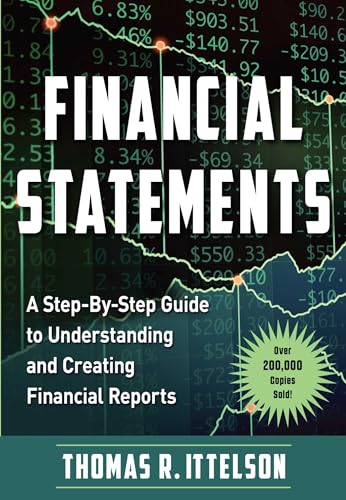
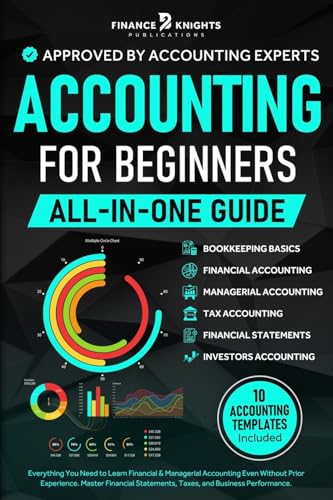
Do you need to learn more about some of the topics covered in this article? If so, take a look at the list of some of the best selling books that you may find useful.


A quick heads-up: I love sharing my accounting knowledge to help you grow your business, but please remember that a blog post isn’t a substitute for a real-life sit-down with a pro. Every business is a unique beast, and tax laws change faster than a toddler’s mood. Use this info as a guide, but always double-check with your own CPA or tax advisor before making any big moves. I’d hate for you to make a decision based on general advice that doesn’t quite fit your specific situation!