Introduction
Inventory management is a key part of many small and growing businesses — especially for retailers, wholesalers, manufacturers, and ecommerce shops. If your business deals with physical products, choosing accounting software that handles inventory well isn’t optional — it’s essential.
In this guide, you’ll find the best accounting software with inventory management in 2026, including pricing, features, strengths, limitations, and the right fit for different business types.
Quick Comparison: Best Accounting Software with Inventory (2026)
| Software | Best For | Inventory Type | Multi-User | Pricing Level | Notes |
|---|---|---|---|---|---|
| QuickBooks Online | SMB with varied needs | Basic–Advanced | Yes | Moderate | Widely supported |
| Xero | Growing ecommerce & SMBs | Good | Yes | Moderate | Excellent reporting |
| Zoho Books | Budget product business | Basic–Moderate | Yes | Lower | Value-heavy |
| Odoo (Accounting + ERP) | Inventory-centric businesses | Advanced | Yes | <$–$$$ | Highly flexible |
| Sage 50 | Complex inventory needs | Advanced | Yes | Moderate–High | Desktop-centric power |
What Inventory Accounting Really Means
Inventory accounting tools help businesses track:
- Stock quantities
- Cost of goods sold (COGS)
- Purchase orders
- Inventory valuation (FIFO/LIFO/WAC)
- Stock levels and reordering
For product businesses, this information is crucial for accurate:
- Profit and loss reporting
- Pricing decisions
- Cash flow projections
- Tax reporting
Not all accounting software handles inventory equally — which is why this list focuses on the best options in 2026.
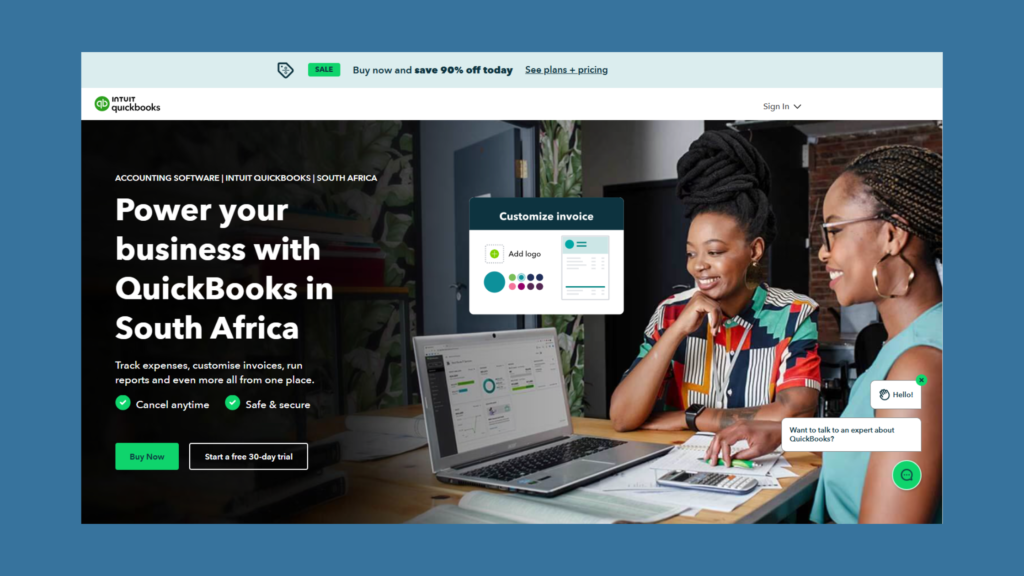
1. QuickBooks Online — Best All-Around Inventory Accounting Software
Best for: Product-based SMBs with diverse needs
QuickBooks Online combines solid accounting with practical inventory features suitable for small to medium businesses.
Key Inventory Capabilities
- Basic inventory tracking
- Cost tracking and COGS
- Stock level updates with sales
- Integration with ecommerce platforms
Strengths
- Industry standard with strong ecosystem
- Very familiar to accountants
- Good integrations with POS systems
Limitations
- Inventory is basic compared to ERP systems
- May require add-ons or apps for advanced inventory automation
Best for
Retailers, ecommerce shops, and inventory-product service companies that need reliable, straightforward inventory linked to accounting.
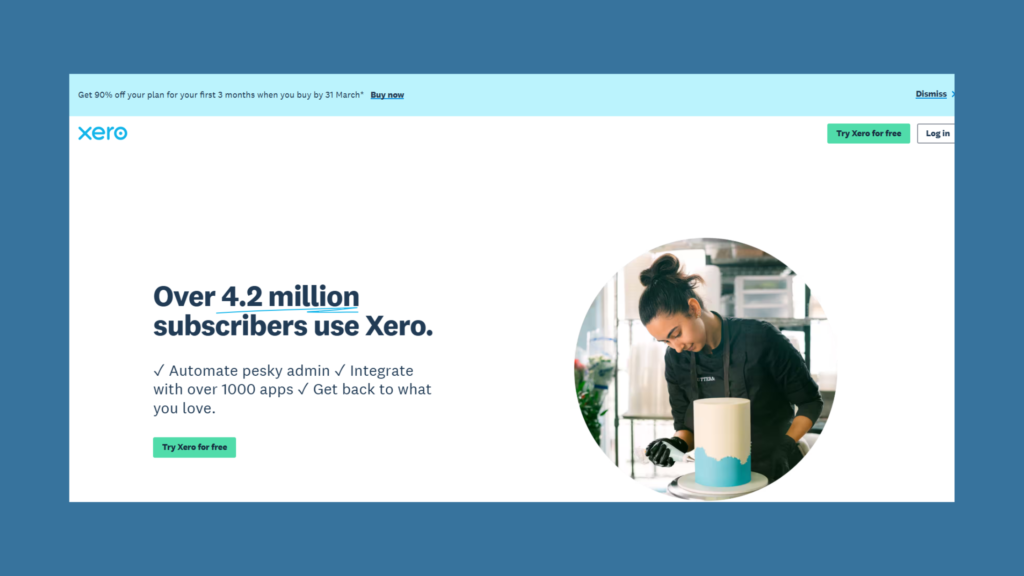
2. Xero — Best for Ecommerce & Growing Product Businesses
Best for: Businesses that want strong reporting + inventory control
Xero has developed a well-rounded inventory system that works for many product businesses.
Key Inventory Capabilities
- Real-time tracking across multiple warehouses
- Automatic stock valuation
- Tracking of inventory in reports and dashboards
Strengths
- Unlimited users on most plans
- Excellent financial reporting
- Strong bank reconciliation
Limitations
- Payroll add-ons in some regions
- Inventory is less sophisticated than full ERP platforms
Best for
Ecommerce brands, multi-platform sellers, and businesses that want deeper insights without enterprise pricing.
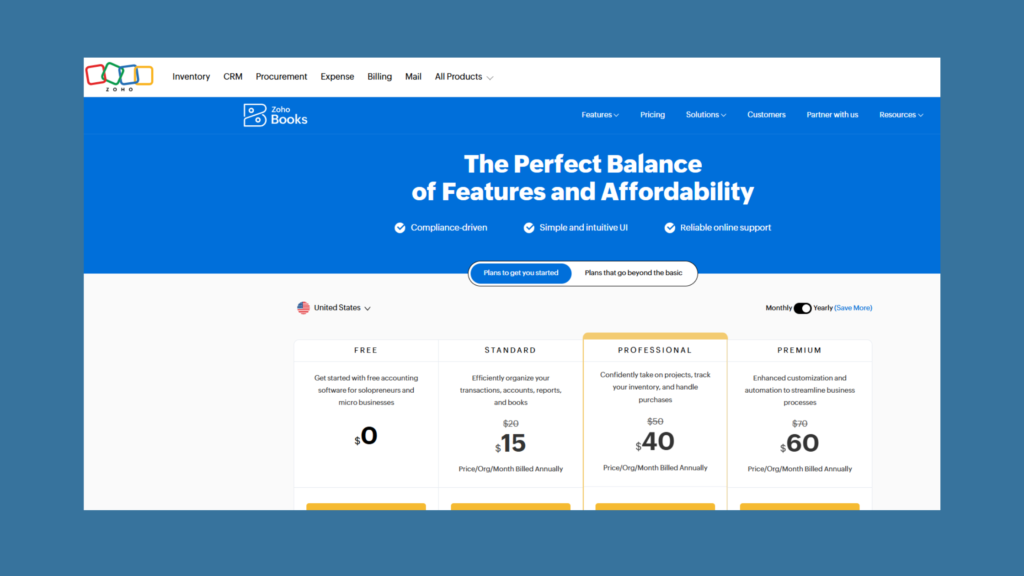
3. Zoho Books — Best Budget Option with Inventory
Best for: Small product businesses watching costs
Zoho Books delivers inventory features surprisingly rich for its price point.
Key Inventory Capabilities
- Inventory tracking
- Auto stock adjustments
- Integration with Zoho Inventory
- Basic reorder point alerts
Strengths
- Very affordable
- Great automation for its tier
- Solid invoicing + workflows
Limitations
- Feature set expands with Zoho Inventory (may cost more)
- UX slightly less polished than QuickBooks/Xero
Best for
Startups and small product businesses that want inventory without expensive accounting subscriptions.
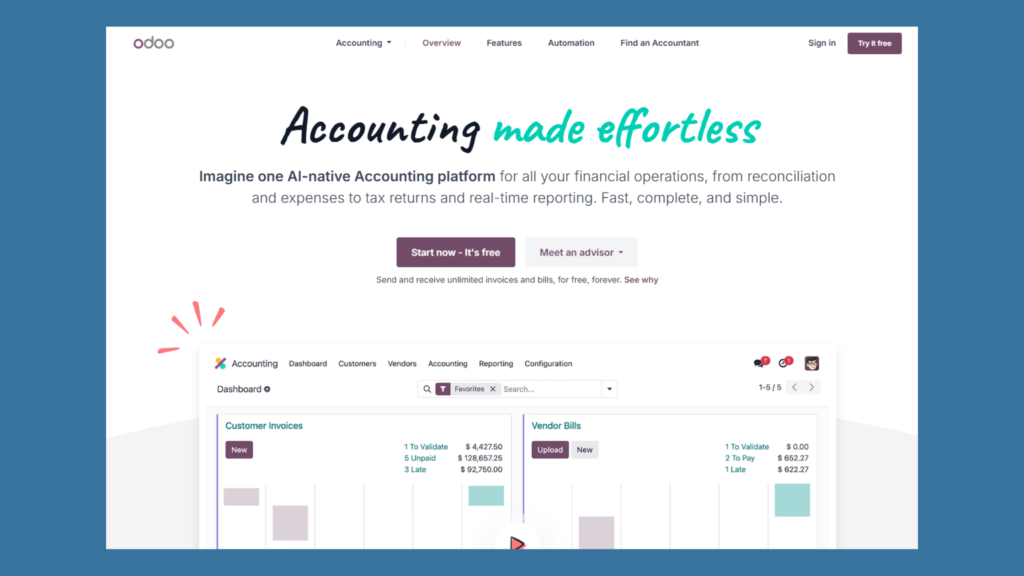
4. Odoo (Accounting + Inventory ERP) — Best for Advanced Product-Centric Companies
Best for: Businesses that need deep inventory + manufacturing support
Odoo is an open-source ERP platform that integrates accounting with powerful inventory and operations tools.
Key Inventory Capabilities
- Full warehouse management
- Multi-location support
- Manufacturing & BOM
- Advanced routing and traceability
Strengths
- Ultimate flexibility
- One platform for accounting + inventory + CRM + ecommerce
Limitations
- Requires setup and configuration
- Some modules may cost extra
Best for
Rapidly scaling product businesses, manufacturers, wholesalers, and multi-warehouse operations.
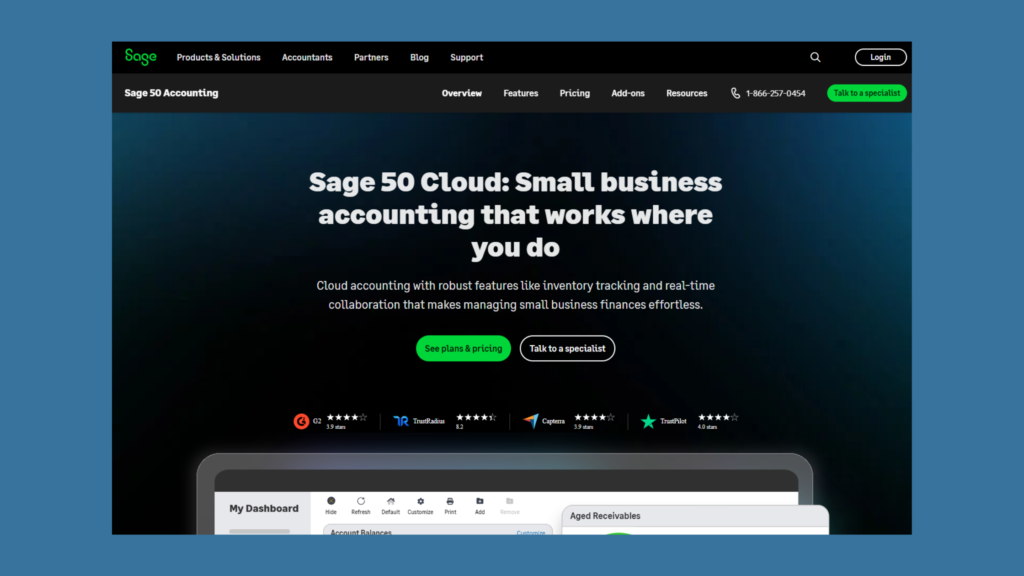
5. Sage 50 — Best for Complex Inventory Workflows
Best for: Businesses with intense inventory requirements
Sage 50 offers more granular inventory control compared to basic small business tools.
Key Inventory Capabilities
- Advanced inventory tracking
- Detailed COGS reporting
- Serial/lot tracking and warehouse modules
Strengths
- Strong accounting foundation
- Good for complex inventory workflows
Limitations
- Desktop focus (less cloud)
- Higher learning curve
Best for
Product companies needing detailed inventory workflows and reporting beyond entry-level capabilities.
Affordable vs Advanced: Choosing the Right Level
| Business Size | Best Option |
|---|---|
| Small product business just starting | Zoho Books / Wave (if free core) |
| Small ecommerce store | QuickBooks Online / Xero |
| Multi-channel retailer | Xero / Odoo |
| Product business with manufacturing | Odoo |
| Businesses with complex inventory reporting | Sage 50 |
Hidden Costs to Watch (Inventory + Accounting)
When comparing inventory accounting software, watch out for:
- User fees — Many tools charge per user past a threshold.
- Warehouse/location fees — Some systems charge extra modules for multi-location support.
- Add-ons — Inventory automation, barcode scanning, or integrations may cost more.
- Payroll & multi-currency — Not always included in base plans.
Always calculate total monthly cost, not just base price.
When You Should Upgrade from Basic Inventory Tools
You might need advanced inventory functionality when:
- You manage multiple warehouses
- You sell across multiple platforms (POS + ecommerce)
- You need automated reorder points
- You require tracking by serial or lot number
- You forecast inventory needs
At this stage, mid-tier tools or ERP systems (like Odoo) make better sense.
Final Verdict: Best Inventory Accounting Software in 2026
- Best overall inventory-capable software: QuickBooks Online
- Best for e-commerce growth: Xero
- Best budget inventory starter: Zoho Books
- Best for advanced operations: Odoo
- Best for complex workflows: Sage 50
The right choice depends on your product complexity, growth plans, and budget.
Ready to Compare Full Feature Sets?
If you want a broader look at how these tools stack up against other top contenders, check out our Best Accounting Software for Small Businesses (2026) comparison.
That page includes features, pricing, and use-case breakdowns across dozens of tools — perfect for final decision making.